
That One Password You Love Is Probably Ruining Your Digital Life
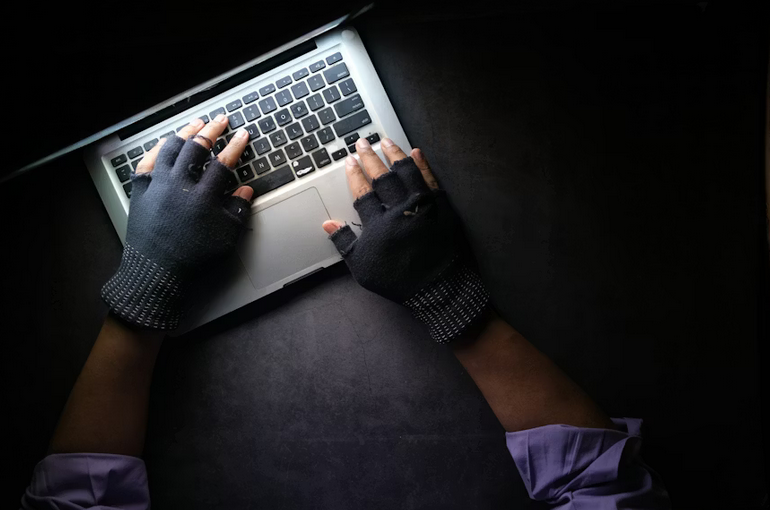
Let’s be honest. Most people have a favorite password. It is familiar, easy to type, and feels safe because it has “worked” for years. You drop it into email accounts, apps, streaming services, and maybe even work tools. It feels efficient, like using one key for every door. That convenience, though, comes with a hidden price tag. Hackers love habits. Reused passwords turn one small crack into a full collapse. When one service slips, everything connected to that password becomes fair game. It is not dramatic paranoia. It is basic digital physics. One fall knocks over every domino.
One Leak Can Open Every Door
Data breaches happen constantly, often without headlines. A shopping app or an old forum gets compromised, and login details are spilled quietly. Hackers then try those same credentials everywhere else. Email, cloud storage, social media. The chain reaction is fast. See, people assume attacks are personal. But, they rarely are. Automated scripts do the work while you sleep. That reused password turns into a master key. Suddenly, your accounts are no longer separate spaces. They become rooms without walls. The scary part is the delay. Damage may appear weeks later. By then, the trail is cold and frustrating. One reused password creates cleanup work nobody enjoys.
Your Email Is the Crown Jewel
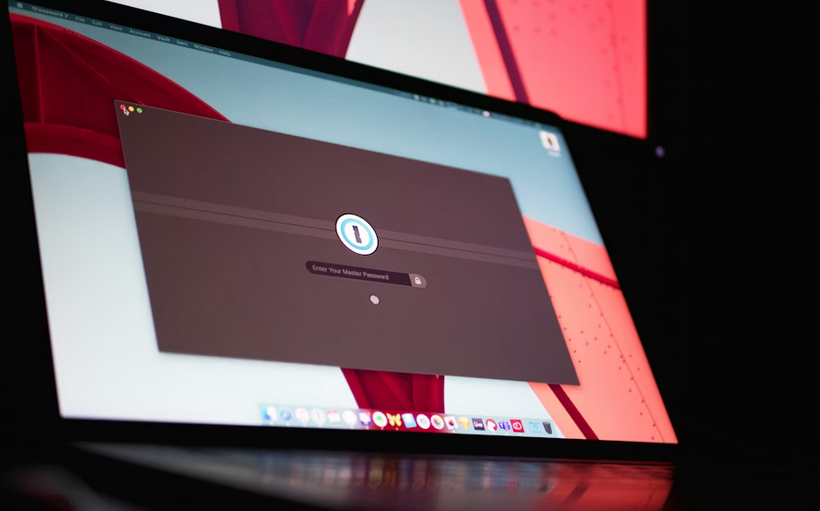
Email accounts sit at the center of digital life. Password resets, alerts, and confirmations all land there. If someone gains access, they can quietly reset everything else. Banking apps, subscriptions, work platforms. It cascades fast. Many people protect their email with the same password used elsewhere. That is like locking your house but leaving the key under the mat. Once email access is gained, the rest becomes a checklist. Hackers do not rush. They wait and observe. This is why email security matters more than most apps. Treat it like a vault, not a convenience login. One strong barrier here can limit massive fallout.
Memory Is a Terrible Security System
Brains are amazing, but they are not password managers. People reuse passwords because remembering dozens feels exhausting. That trade-off feels reasonable until something breaks. Convenience wins short-term, pain follows later. Patterns make things worse. Adding a number or symbol feels clever, but attackers expect it. Passwords created by habit share predictable shapes. That predictability is exactly what automated attacks exploit. Tools exist to carry the mental load. They store, generate, and autofill without effort. Once set up, life gets easier, not harder. Security improves quietly in the background.
Small Accounts Still Matter
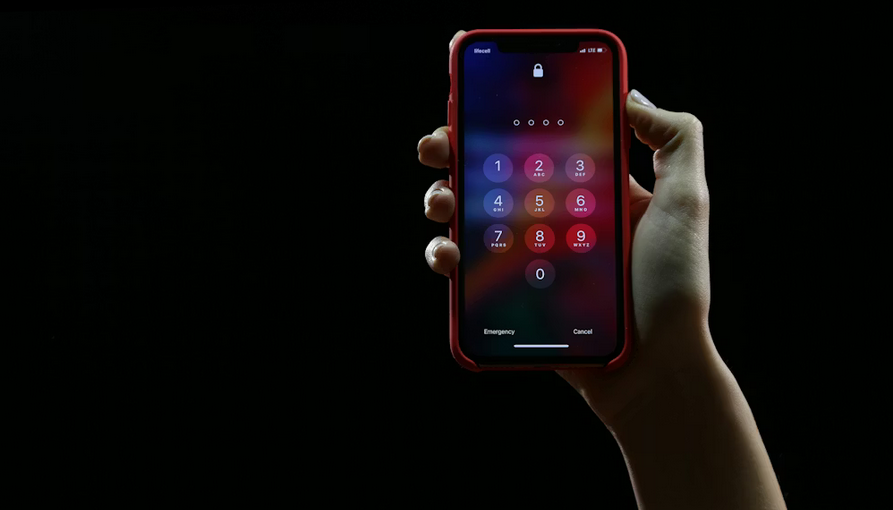
It is easy to dismiss “unimportant” accounts. A game login or random newsletter feels harmless. Those accounts still store emails, names, and patterns. Hackers use them as stepping stones. Smaller services often have weaker defenses. That makes them attractive targets. Once compromised, they feed data into larger attacks elsewhere. One tiny breach can snowball into identity headaches. Every login deserves respect. Not panic, just intention. Separating passwords limits how far damage can spread. Containment is powerful.
Changing Habits Without Losing Your Mind
Switching habits sounds exhausting, but it does not need drama. Start with the most sensitive accounts first. Email, banking, and cloud storage come before everything else. Progress beats perfection. Of course, it also means letting technology help you. Password managers generate strong passwords and remember them for you. After setup, logging in becomes faster, not slower. Autofill feels like cheating in the best way. Security is not about fear. It is about reducing risk with smart defaults. One password everywhere used to feel clever. Today, it is outdated. Your future self will appreciate the upgrade.…