

The Algorithm Whisperer: Decoding Invisible Tech Marketing Triggers in 2026
In 2026, digital marketing feels less like advertising and more like intuition. Consumers are no longer simply browsing websites or scrolling social media feeds—they are interacting with systems that anticipate behavior before a decision is consciously made. Behind every recommended product, perfectly timed notification, and customized video lies a network of algorithms designed to understand attention, emotion, and intent. These invisible triggers are reshaping the way brands communicate with audiences. Businesses that once relied on broad campaigns are now using machine learning and predictive analytics to create deeply personalized experiences. While many users recognize that technology influences what they see online, few understand just how sophisticated these systems have become. The modern marketer has evolved into something closer to an algorithm whisperer, interpreting data signals to guide customer behavior in subtle but powerful ways.
Predictive Personalization Has Become the Standard

The era of generic advertising has officially ended. In 2026, brands use predictive systems that analyze browsing habits, purchase history, location patterns, and even engagement timing to determine what content users are most likely to respond to. Algorithms no longer wait for consumers to search for products—they proactively place relevant experiences in front of them before interest fully develops. This shift has changed customer expectations. Users now assume websites, streaming platforms, and online stores will understand their preferences immediately. Companies that fail to deliver tailored experiences risk appearing outdated or disconnected. Many businesses are partnering with Gold Coast marketing experts to refine data-driven campaigns that balance automation with authentic audience engagement, creating experiences that feel personal instead of invasive.
Emotional Targeting Is More Sophisticated Than Ever
Modern algorithms are increasingly capable of interpreting emotional intent. Through engagement patterns, voice searches, visual behavior tracking, and sentiment analysis, marketing systems can estimate mood and adapt messaging in real time. A customer browsing late at night may see calming, reassuring messaging, while daytime interactions might trigger more energetic, urgent content. This emotional precision has made campaigns more effective by aligning with psychological context rather than simple demographics. Consumers may not consciously notice these adjustments, but they often respond instinctively. Brands that understand emotional timing can build stronger connections and boost conversion rates without resorting to aggressive advertising tactics.
AI-Generated Content Blends Seamlessly With Human Creativity
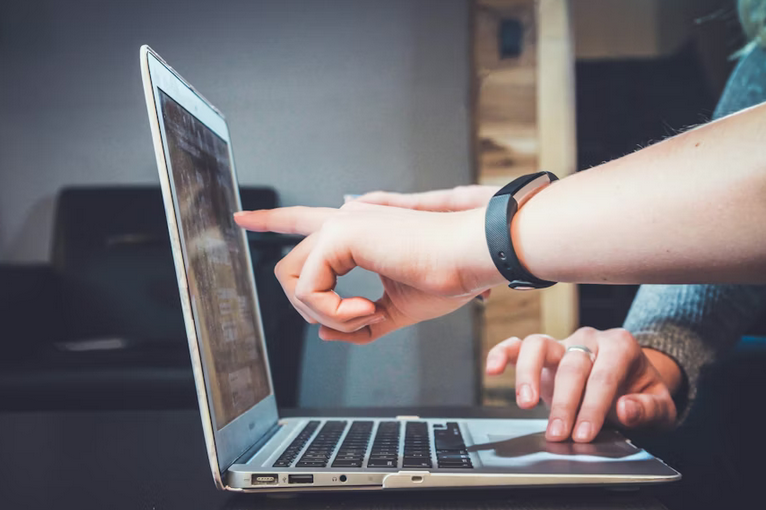
Artificial intelligence has become a major creative partner in modern marketing. From product descriptions and ad copy to videos and interactive experiences, AI-generated content now powers a significant portion of digital communication. However, the most successful brands are not replacing human creativity—they are enhancing it. By 2026, marketers will use AI tools to identify trends, optimize messaging, and test multiple campaign variations instantly. Human teams then refine tone, storytelling, and brand identity to maintain authenticity. The result is content that feels timely and relevant while still carrying emotional depth. Consumers increasingly engage with brands that combine technological efficiency with a genuine human voice.
Micro-Moments Drive Consumer Decisions
One of the most important marketing developments in 2026 is the rise of micro-moments. These are the brief windows when consumers instinctively reach for information, entertainment, or purchasing decisions. Algorithms track these moments carefully, learning when users are most likely to click, watch, or buy. This means timing has become just as important as content quality. A perfectly designed advertisement shown at the wrong moment may fail, while a simple recommendation delivered during a high-intent micro-moment can produce immediate results. Businesses now prioritize adaptive campaigns that respond dynamically to user behavior rather than relying on fixed schedules or static promotions.
The Future of Marketing Feels Invisible

The most effective marketing in 2026 often goes unnoticed. Instead of interrupting consumers with obvious advertisements, brands are embedding influence into seamless digital experiences. Recommendation engines, conversational AI, voice assistants, and adaptive interfaces quietly shape decisions behind the scenes. This invisible approach is changing how people interact with technology itself. Marketing is no longer confined to advertisements or promotional campaigns—it is integrated into the structure …