

The Algorithm Whisperer: Decoding Invisible Tech Marketing Triggers in 2026
In 2026, digital marketing feels less like advertising and more like intuition. Consumers are no longer simply browsing websites or scrolling social media feeds—they are interacting with systems that anticipate behavior before a decision is consciously made. Behind every recommended product, perfectly timed notification, and customized video lies a network of algorithms designed to understand attention, emotion, and intent. These invisible triggers are reshaping the way brands communicate with audiences. Businesses that once relied on broad campaigns are now using machine learning and predictive analytics to create deeply personalized experiences. While many users recognize that technology influences what they see online, few understand just how sophisticated these systems have become. The modern marketer has evolved into something closer to an algorithm whisperer, interpreting data signals to guide customer behavior in subtle but powerful ways.
Predictive Personalization Has Become the Standard

The era of generic advertising has officially ended. In 2026, brands use predictive systems that analyze browsing habits, purchase history, location patterns, and even engagement timing to determine what content users are most likely to respond to. Algorithms no longer wait for consumers to search for products—they proactively place relevant experiences in front of them before interest fully develops. This shift has changed customer expectations. Users now assume websites, streaming platforms, and online stores will understand their preferences immediately. Companies that fail to deliver tailored experiences risk appearing outdated or disconnected. Many businesses are partnering with Gold Coast marketing experts to refine data-driven campaigns that balance automation with authentic audience engagement, creating experiences that feel personal instead of invasive.
Emotional Targeting Is More Sophisticated Than Ever
Modern algorithms are increasingly capable of interpreting emotional intent. Through engagement patterns, voice searches, visual behavior tracking, and sentiment analysis, marketing systems can estimate mood and adapt messaging in real time. A customer browsing late at night may see calming, reassuring messaging, while daytime interactions might trigger more energetic, urgent content. This emotional precision has made campaigns more effective by aligning with psychological context rather than simple demographics. Consumers may not consciously notice these adjustments, but they often respond instinctively. Brands that understand emotional timing can build stronger connections and boost conversion rates without resorting to aggressive advertising tactics.
AI-Generated Content Blends Seamlessly With Human Creativity

Artificial intelligence has become a major creative partner in modern marketing. From product descriptions and ad copy to videos and interactive experiences, AI-generated content now powers a significant portion of digital communication. However, the most successful brands are not replacing human creativity—they are enhancing it. By 2026, marketers will use AI tools to identify trends, optimize messaging, and test multiple campaign variations instantly. Human teams then refine tone, storytelling, and brand identity to maintain authenticity. The result is content that feels timely and relevant while still carrying emotional depth. Consumers increasingly engage with brands that combine technological efficiency with a genuine human voice.
Micro-Moments Drive Consumer Decisions
One of the most important marketing developments in 2026 is the rise of micro-moments. These are the brief windows when consumers instinctively reach for information, entertainment, or purchasing decisions. Algorithms track these moments carefully, learning when users are most likely to click, watch, or buy. This means timing has become just as important as content quality. A perfectly designed advertisement shown at the wrong moment may fail, while a simple recommendation delivered during a high-intent micro-moment can produce immediate results. Businesses now prioritize adaptive campaigns that respond dynamically to user behavior rather than relying on fixed schedules or static promotions.
The Future of Marketing Feels Invisible

The most effective marketing in 2026 often goes unnoticed. Instead of interrupting consumers with obvious advertisements, brands are embedding influence into seamless digital experiences. Recommendation engines, conversational AI, voice assistants, and adaptive interfaces quietly shape decisions behind the scenes. This invisible approach is changing how people interact with technology itself. Marketing is no longer confined to advertisements or promotional campaigns—it is integrated into the structure …










 This classic piece of equipment has been a staple in the industry for decades, capturing some of the most memorable moments in cinematic history. With its impressive image quality and versatility, it’s no wonder that filmmakers continue to choose this tried-and-true workhorse. The 35mm film camera works by exposing photographic film to light through a series of intricate mechanisms. As each frame is exposed, it creates a tangible physical negative that can be developed and edited. This analog process delivers a unique aesthetic charm that digital cameras often struggle to replicate.
 These state-of-the-art devices basically make use of cutting-edge technology to deliver high-resolution images with incredible clarity and detail. Thanks to their ability to shoot in various formats, such as RAW or ProRes, they allow for greater flexibility during post-production. Filmmakers can manipulate the footage to achieve their desired look and feel, whether it’s adding special effects or adjusting color grading. Moreover, these cameras offer exceptional low-light performance, ensuring that even dimly lit scenes are captured without compromising quality. This feature greatly enhances a cinematographer’s creativity by expanding shooting possibilities in challenging environments. Additionally, digital cinema cameras often come equipped with advanced features like built-in image stabilization and high-speed frame rates.
 These compact and maneuverable devices allow cinematographers to achieve angles and perspectives that were once only possible with expensive helicopter rigs or cranes. One of the key advantages of using drone cameras is their ability to fly at different altitudes, providing a unique bird’s-eye view of a scene. This opens up endless creative possibilities for filmmakers to showcase sweeping landscapes or create dynamic chase sequences. With advancements in technology, drone cameras now offer high-resolution image quality, allowing for crystal-clear footage even when capturing fast-paced action scenes. They are equipped with stabilizing features that help eliminate shaky footage, ensuring smooth and professional-looking shots.
 Businesses need to be able to manage data to make informed decisions and stay competitive effectively. Investing in a good customer relationship management (CRM) system can help you keep track of customer information, sales history, and other important data points. You’ll also want to look into software for managing finances and inventory.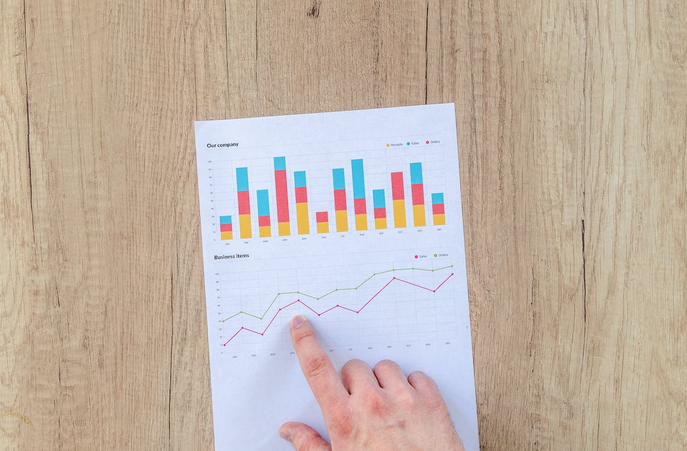
 Having mobile access to your data is becoming increasingly crucial for businesses in today’s world. Investing in an excellent mobile platform will allow you to access and work on files anytime. It can improve collaboration and productivity and give customers easy access to your products and services.
 One of the biggest mistakes businesses make when creating an app is focusing too much on features rather than the user experience. It’s important to remember that people use apps because they’re convenient and easy to use. If your app is difficult to navigate or isn’t intuitive, people will quickly get frustrated and stop using it.
 The first and most obvious benefit of using node as a Service is that it allows you to manage your blockchain efficiently and effectively. If you’re running a node yourself, you’ll need to keep up with the latest software updates, monitor the performance of your node, and ensure that it remains online and accessible. It can be time-consuming and difficult, especially if you’re not a technical expert.
 A Node is a Service provider that can pre-configure superficial nodes across many chains and networks. You don’t need to worry about setting up and configuring your nodes yourself. All you need to do is provide the required information and funds, and the node will be set up and maintained by the service provider.
 A spy app is a smartphone application that can be used to monitor another person’s mobile phone activity. This includes text messages, emails, calls, and anything else sent using the device. There are many reasons why someone might want to use a spy app on their child or spouse. They could be worried about their child being bullied at school or if their spouse is cheating on them. To use these apps, install the app from Google Play Store and follow its instructions to access your logs.
 WhatsApp logs are files that contain information about your conversations, such as the time and date of each message. You can use these logs to spy on someone’s WhatsApp messages because they provide a way to see all of their activity in one place. The easiest way to access is by using an app like WhatsDog or Monitor for WhatsApp. Both apps are free and work on Android devices. They allow you to download a copy of your WhatsApp conversations and view them in an easy-to-read format.
 One of the essential features of a VPN is its strong encryption. It means that your data will be securely encrypted, making it difficult for anyone to spy on or track your activities. A reliable VPN provider will have robust security features, including military-grade encryption. It will also have a strict no-logs policy, meaning that your data will never be stored or tracked.
 Another essential factor in a reliable VPN provider is the privacy policy. A good VPN should have an airtight privacy policy so that your data remains secure and private while you are using their servers. Furthermore, since no one can see what sites or services you visit, it also means that even your ISP won’t track your activities.
 If you are running a small business, you do not have adequate resources to check your systems for security vulnerabilities. Robust firms provide you access to security experts. These experts can discover and fix weak areas in your applications and networks. When choosing an IT support firm, make sure you consider various professional certifications. Also, you should consider experience.
 The right IT support firm does not allow your tickets to go unanswered. Instead, it should always communicate the status of the open tickets and work to resolve them. There is a need to have a service level agreement. This helps mitigate arising issues because you have documented all the services you need. If your IT support company fails to meet the agreed targets, you should consider switching providers.


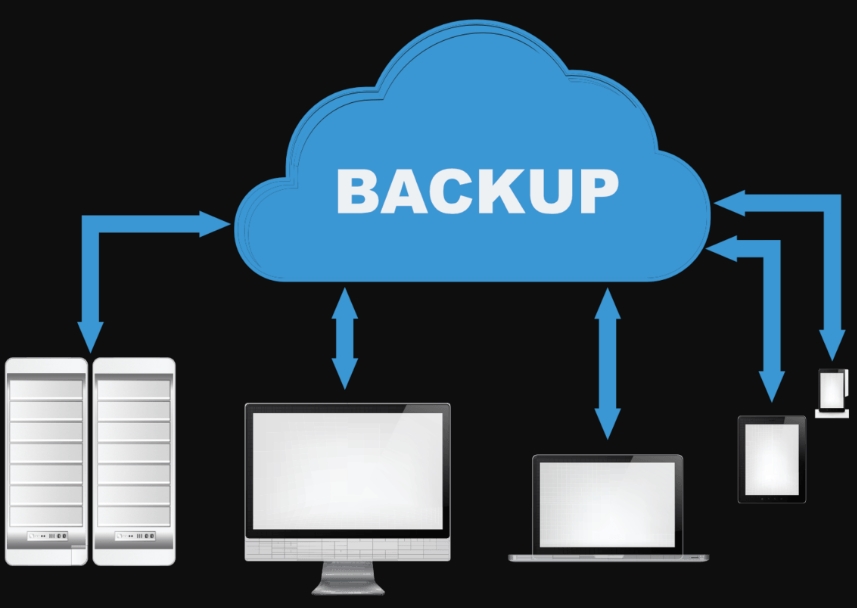
 Slow operating servers and unresponsive datastores could cost you days or weeks of operation. It will, in turn, lead to poor customer service and low productivity.